The Public Policy & Collaborations vertical connects field experience, research and the experiences of persons with disabilities with the institutions and decisions that shape everyday life.
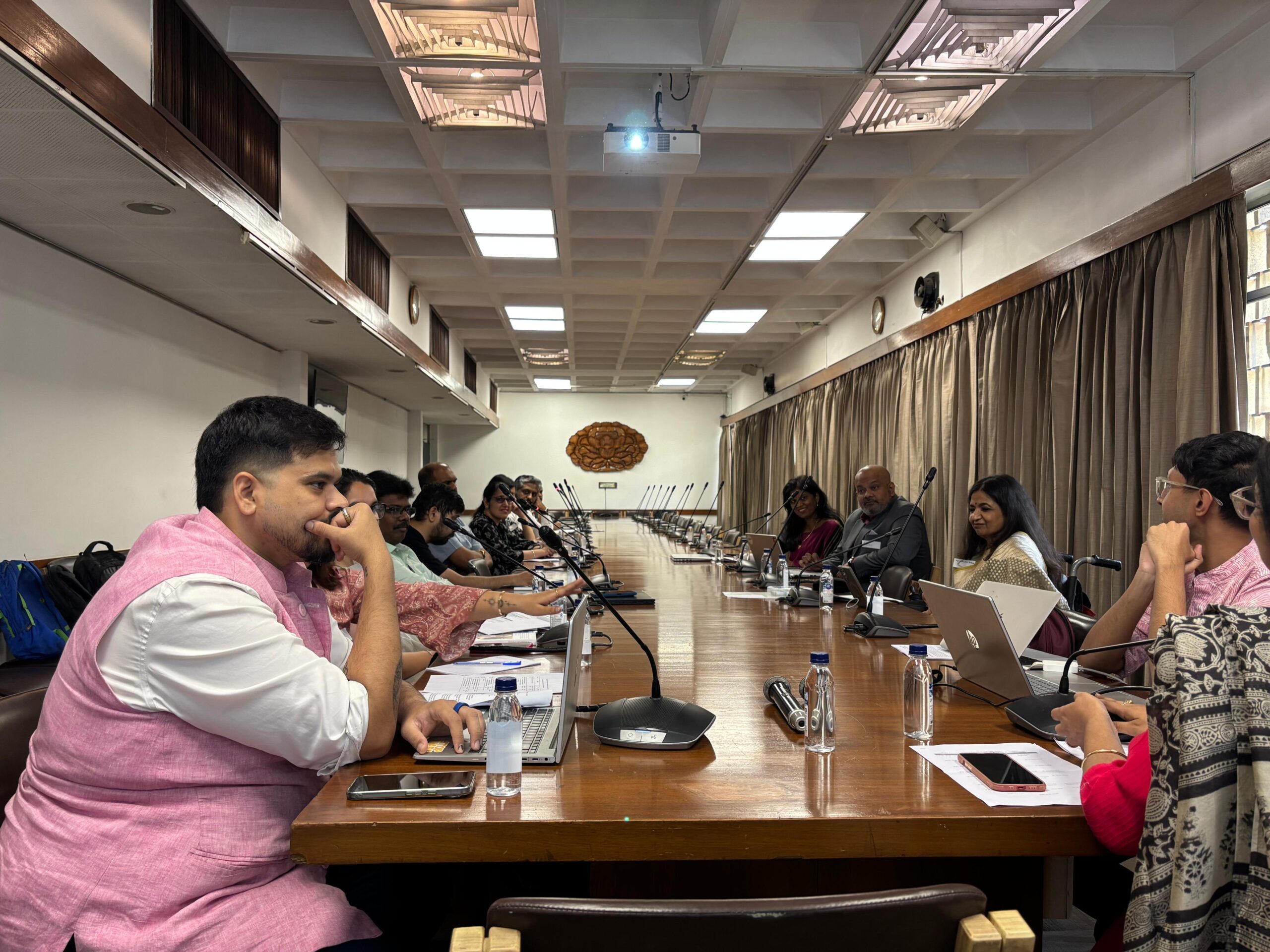
The Public Policy & Collaborations (PPC) vertical works to make disability inclusion part of everyday policies, systems and decision-making. We bring together what we learn from the ground with research and the experiences of persons with disabilities to help create better policies and practices.
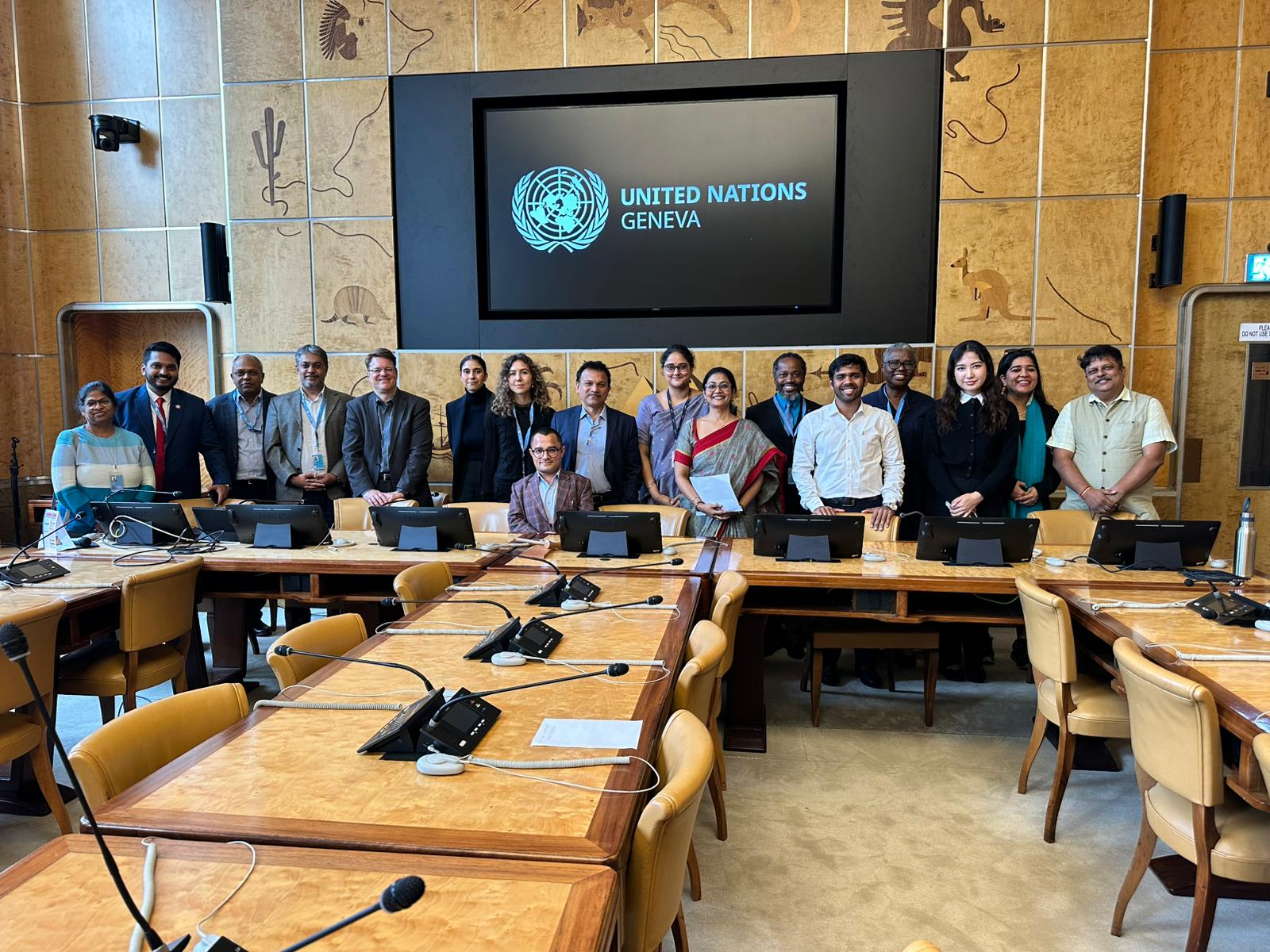
PPC connects evidence from APD’s field experience, research and citizen-led data with policy dialogue, institutional engagement and practical action.
PPC combines evidence, institutional engagement, knowledge-building and collaboration to strengthen disability-inclusive systems.
We combine APD’s field experience, research and citizen-led data to inform evidence-based policymaking and generate practical insights that advance disability inclusion.
Through partnerships with governments, we work to embed accessibility into public planning, budgeting and systems, strengthening institutional accountability and inclusive decision-making.
We develop practical resources, toolkits and training modules to help institutions integrate disability inclusion into their practice, supported by easy-to-use standards and simple digital innovation.
We bring together policymakers, academia, industry, civil society and national and international organisations to advance policy dialogue, foster collaboration and make disability inclusion and accessibility an integral part of inclusive development.
We bring together policymakers, academia, industry, civil society and national and international organisations to advance policy dialogue and foster collaboration.
These partnerships help connect evidence with institutional decision-making and strengthen coordinated action on disability inclusion and accessibility.
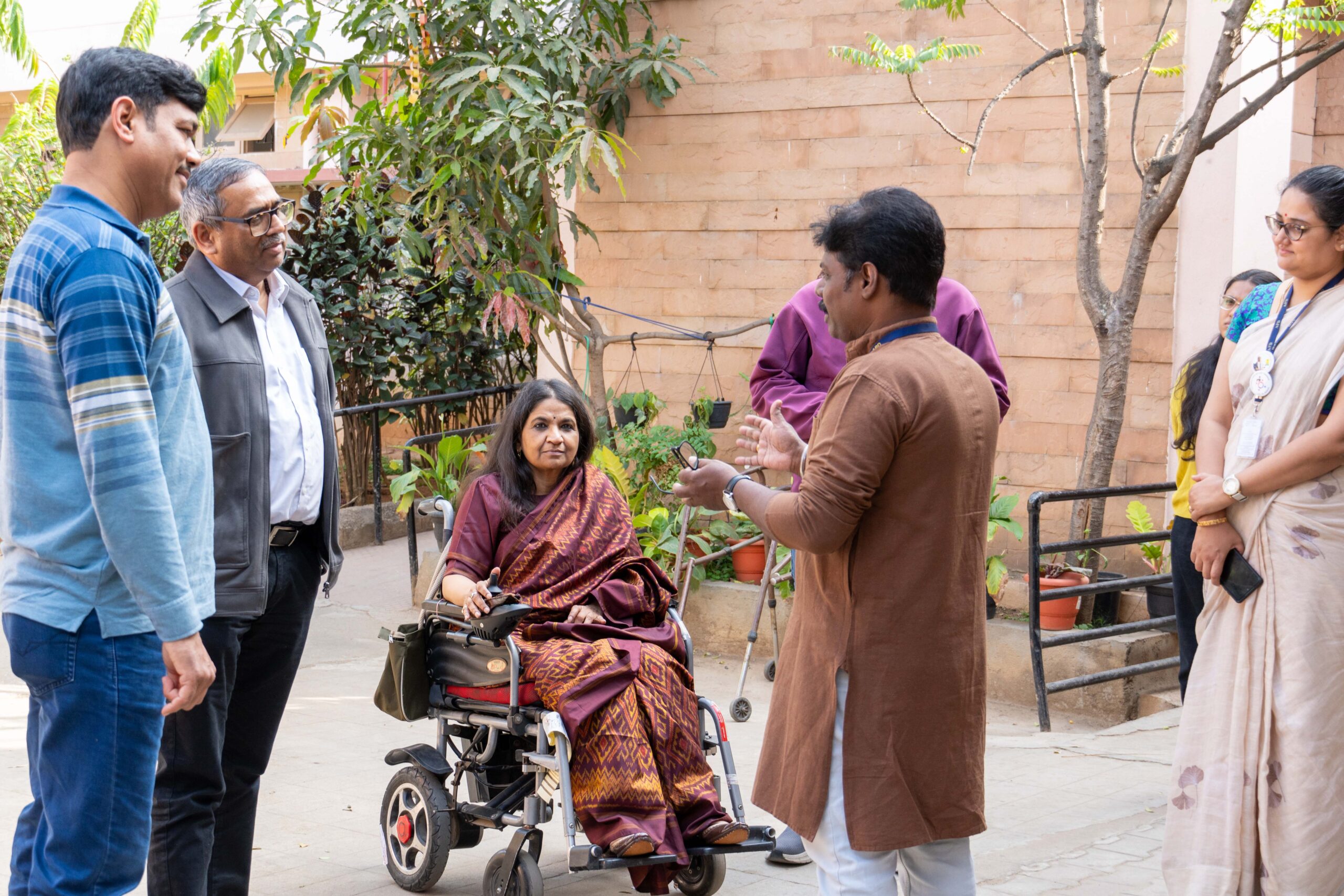
From citizen-led accessibility data to inclusive transport and digital accessibility, our work translates evidence and collaboration into practical action across systems.
Yes To Access enables citizens to conduct accessibility checks, map locations and collect accessibility information on public places across India.
Explore Yes To AccessFrontline personnel from BMTC, KSRTC and BMRCL have been sensitised on disability inclusion, with accessibility training embedded into institutional capacity-building programmes.
We promote inclusive digital experiences by creating awareness, assessing the accessibility of digital platforms and collaborating with governments, industry, academia and civil society to advance digital accessibility standards.

“The disability sector today stands at a crossroads. It is highly diverse, with multiple disability groups often working in silos and continuously reinventing approaches without adequate coordination.”Ms. Manmeet Nanda, IAS