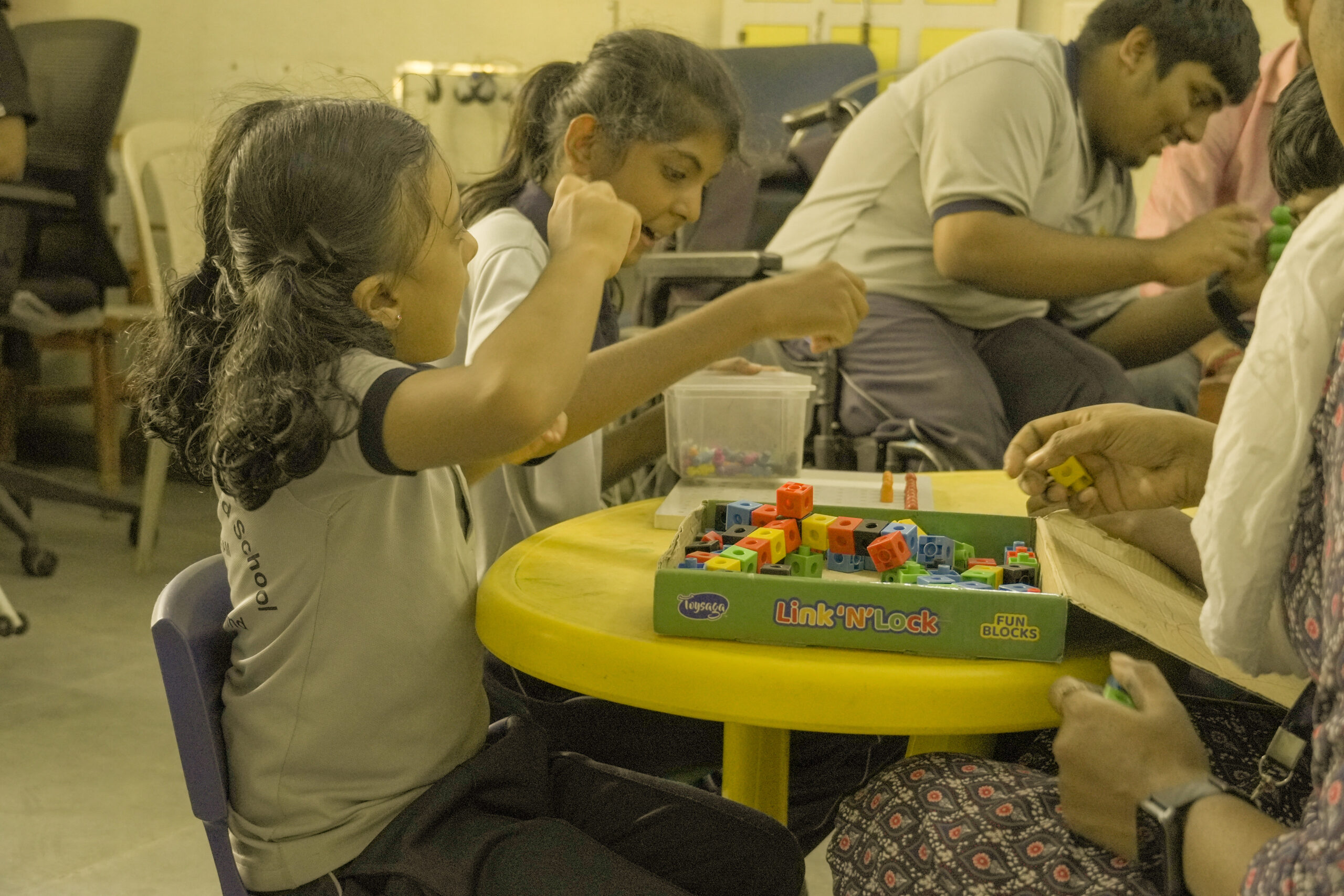
Established in 1988, APD’s Multidisciplinary Rehabilitation Programme is one of its most enduring initiatives. Rooted in compassionate, person-centred care, it promotes independence, participation and inclusion for persons with disabilities. As part of APD’s 360-degree inclusion model, rehabilitation is delivered through coordinated multidisciplinary care, skilled professionals, therapeutic tools and innovative practices.
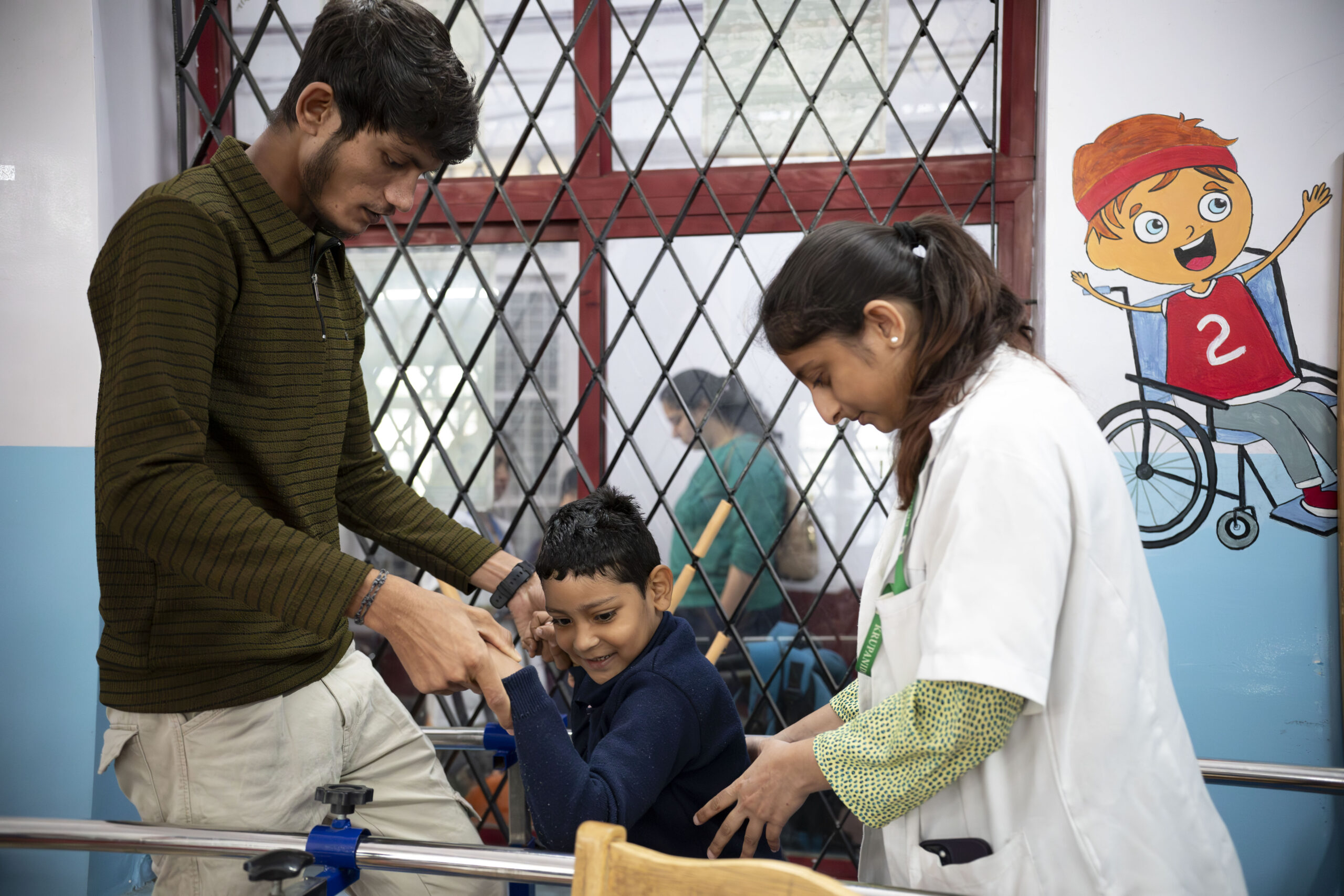
Rehabilitation at APD brings different professionals together around the needs and goals of each person. Depending on the requirement, support may focus on mobility, communication, sensory needs, behaviour, daily living skills or psychosocial well-being.
Support for mobility, strength, posture, balance, pain management and functional rehabilitation.
Support for daily living skills, functional independence, participation and adaptive abilities.
Audiological assessment, hearing services and support related to listening and communication needs.
Support for speech, language, communication and related functional outcomes.
Cognitive, emotional and behavioural support that strengthens participation and psychosocial well-being.
Therapeutic approaches supporting movement, sensory regulation, engagement and overall function.
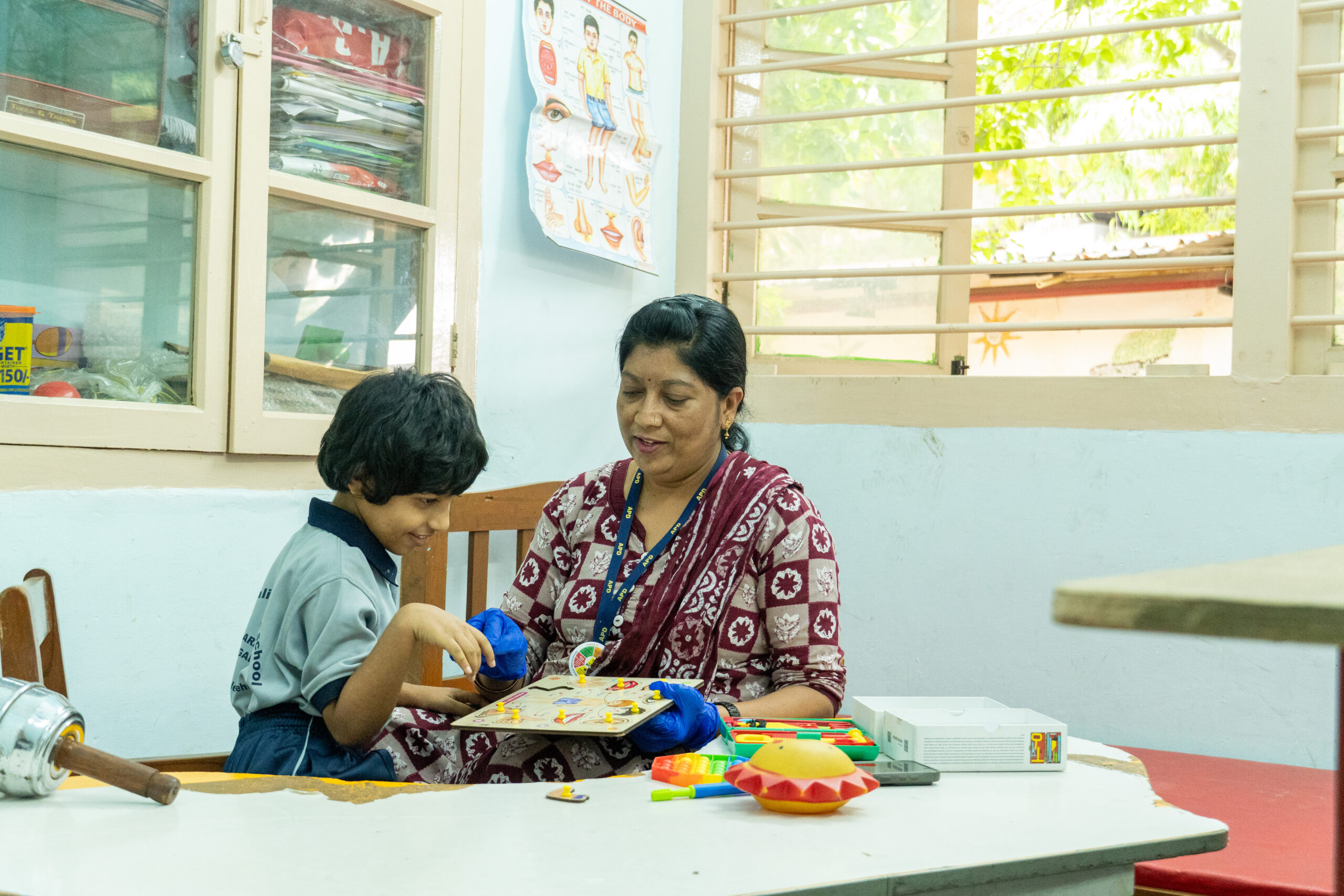
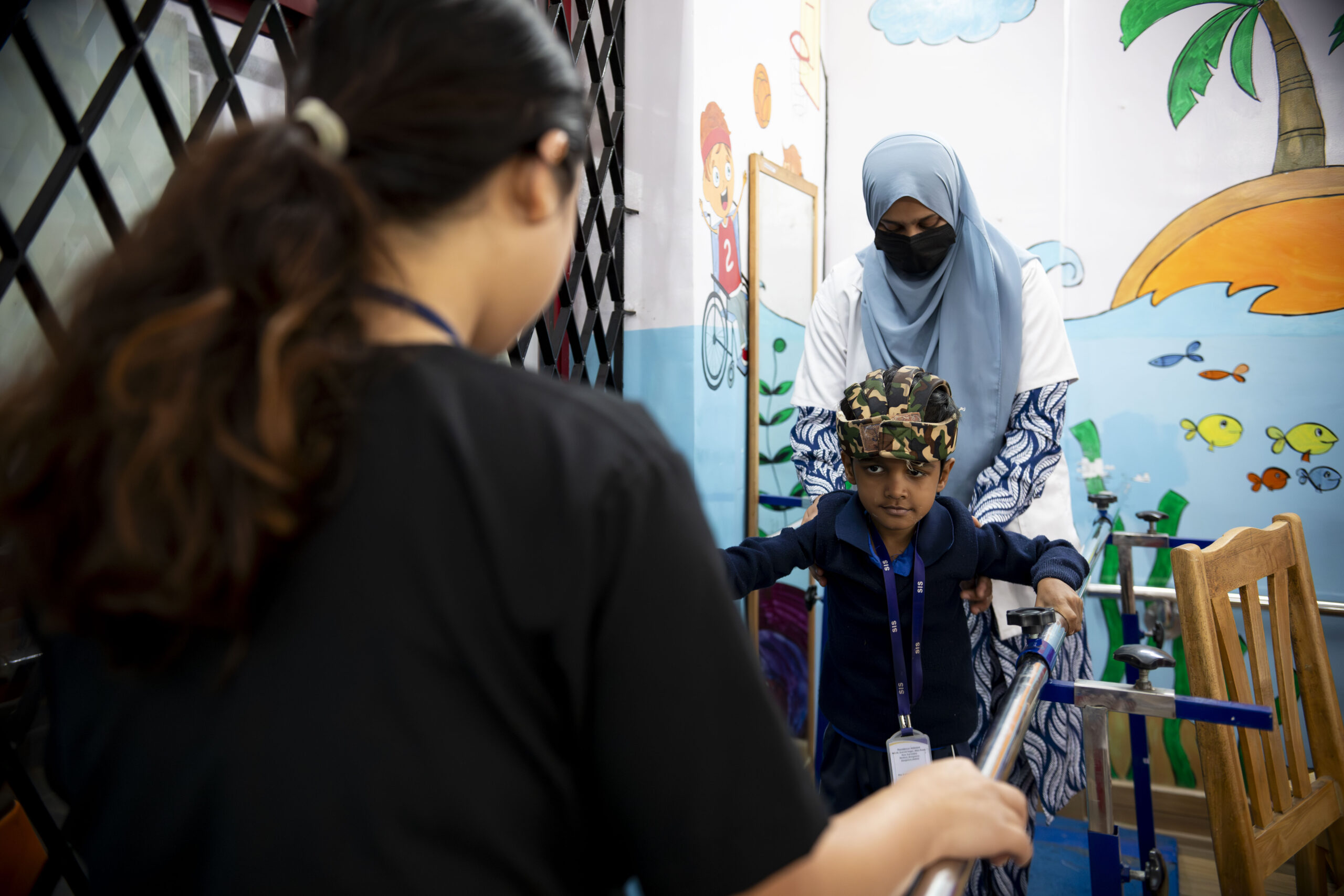
No two rehabilitation journeys are the same. At APD, professionals work together, set shared goals with the person and family, review progress regularly, and adapt support as needs change.
APD supports children and adults with disabilities and functional difficulties, together with their families and caregivers.
Services reach schools, communities, underserved populations and partner organisations through school-based services, outpatient care, outreach, community screening, camps and tele-rehabilitation.
Professional collaboration, capacity building, knowledge sharing and partnerships also help strengthen the wider rehabilitation ecosystem.
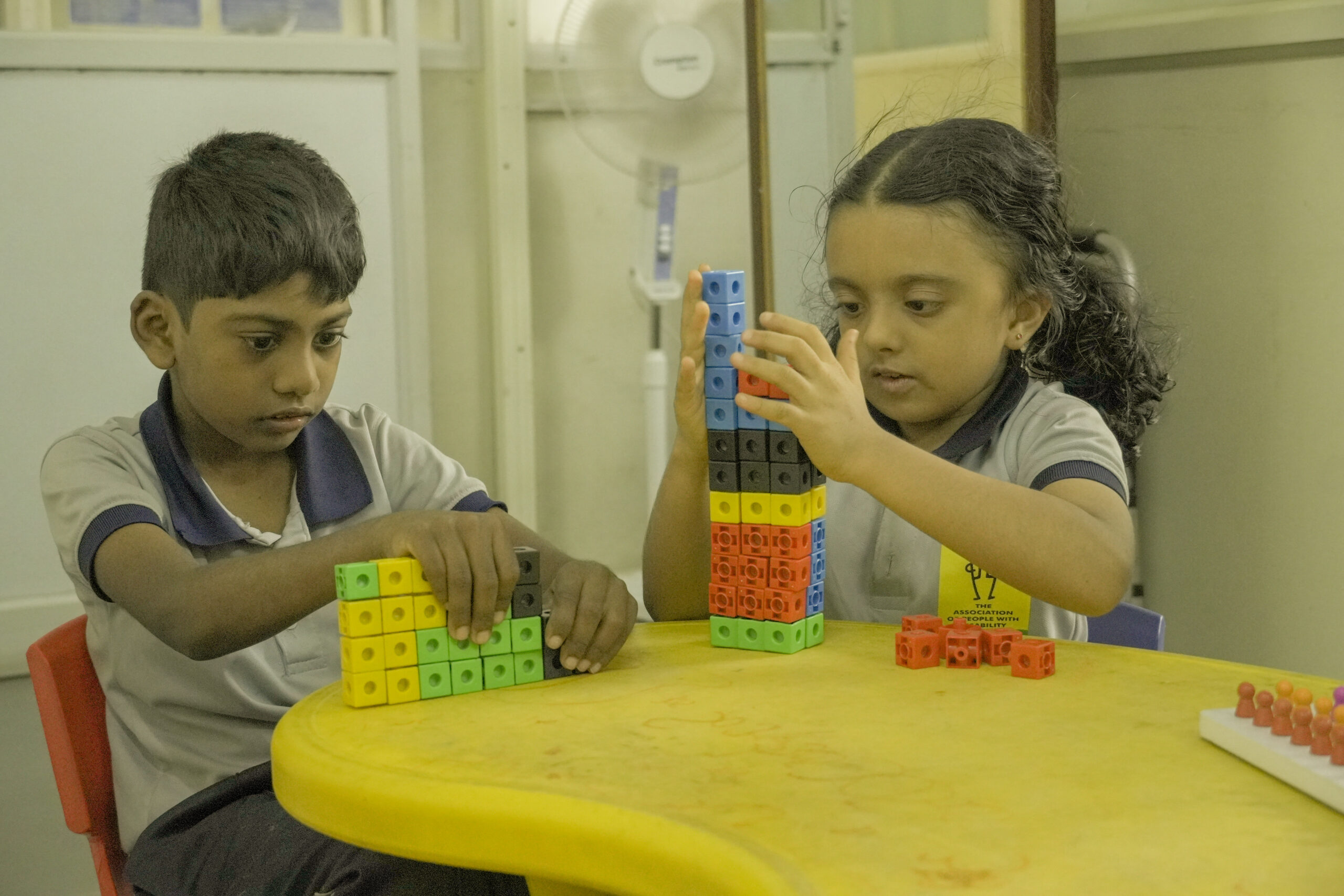
Services include pain management, functional rehabilitation, audiological assessments and hearing services, balance and communication interventions, sensory integration, neuromuscular stimulation, electrotherapy, cognitive and behavioural support, and daily living skills training.
APD’s rehabilitation programme is guided by five principles that help ensure services remain responsive to persons with disabilities and their families. Flexible access is provided through outpatient consultations, walk-in care, outreach centres, partner locations and community-based services.